




SHORT FILM DOCUMENTARY AWARDS: SESSIONS 3 AND 4
OCT 10 / 5:45 pm / SESSION 3 (VOSC, +12, 68 min.):
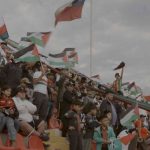
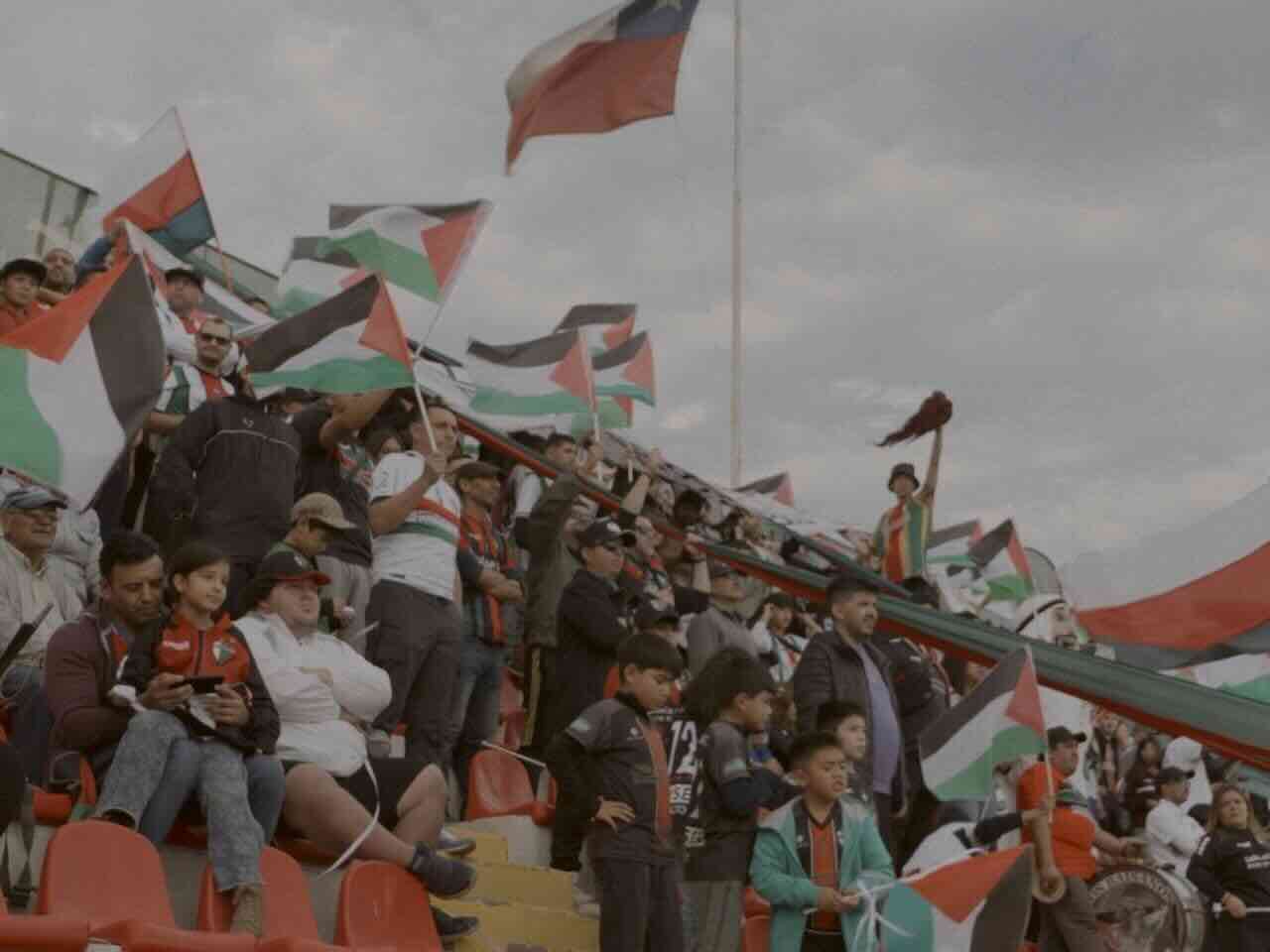
Baisanos (2025, VOSC, 14 min.), by Andrés Khamis Giacoman and Francisca Khamis Giacoman. Following fans of Club Deportivo Palestino, a dialogue unfolds between Chile and Palestine about identity and return, bringing both territories together in a space of celebration, where dreaming of victory means imagining a possible future.
Two lives in tight socks (2026, VOSC, 15 min.), by Rilindje Sadiku and Besim Ugzmajli. This intimate documentary follows Rilindje through the transformative journey of pregnancy, where moments of joy are overshadowed by unexpected struggles: job loss, painful health challenges, and facing an uncertain future. Filmed with raw honesty, the story unfolds as she and her husband dream of a new beginning in Canada, where they seek dignity, stability and hope for their child.
No als poalets (2026, VOSC, 20 min.), by Laura García Andreu. The poalets, “harmless” recycling buckets, have divided the town. A multitude of banners and graffiti reading “No als poalets” flood balconies and streets. The countdown to the elections begins. The ballot boxes will decide whether this delirious polarization triumphs and manages to turn the town’s fate around.
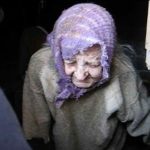
Una mujer que conocí llamada Yudita (2025, VOSC, 19 min.), by Rodrigo Agüeria. In Sariego, fewer and fewer people remember Yudita. Her blindness began when she isolated herself in a mountain cabin, for a reason that still silences everyone to this day. As a child, Rodrigo used to wait for Aunt Montse, who prepared food every day to bring to someone. One day she took him to the cabin, on one condition: not to speak.
OCT 10 / 7:00 pm / SESSION 4 (VOSC, +12, 66 min.):
Eject: El último rebobinado (2026, VOSC, 11 min.), by Martin Desoto and Senin Porto. The closing of the last video rental stores is the starting point of this short film about urban gentrification and changing consumption habits. Through the disappearing spaces, this loss is connected to the rise of artificial intelligence, leaving open the question of what gets lost along the way.
Cara de bicicleta (2025, VOSC, 23 min.), by Amaia Nerekan Umaran and Itziar Zorita Agirre. An audiovisual essay exploring the relationship between women and bicycles from a contemporary perspective; an ode to freedom and the feminist struggle. It draws on a historical event from the late 19th century: when women began riding bicycles, a disease was invented to dissuade them from doing so.
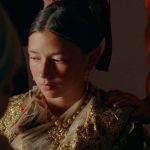
Mal de madre (2025, VOSC, 22 min.), by Irene Baqué. Lita (16) has feared lizards since childhood. Every summer she returns to Lagartera, where her family’s traditions run deep. During the Corpus Christi celebration, as her grandmother dresses her, she discovers the roots of her fear.
El eco de la mirada (2025, VO, 10 min.), by Carles Bover. A documentary essay on the weight of filming pain, the guilt of the observer, and the responsibility of the one who shows. Drawing on footage shot in Gaza 10 years ago, the director revisits discarded images, direct looks to camera, and uncomfortable moments that call into question his profession, his vocation, and the transformative power of images in a world desensitized by overexposure.